joyfully cooking
let’s get cooking
I know cooking can feel a little mundane at times — don't get me wrong, I love creating a great dish — but I also believe there's nothing wrong with making reservations every now and then!
That said, when it’s time to whip up something special or just an everyday dinner, I’m here to inspire you. I want to help you step outside your comfort zone, explore new flavors, and experiment with fresh ingredients you may have never used before. Along the way, I’ll share recipes for those standout dishes—ones that just might become your go-to for special occasions.

what’s cooking?
WHAT to expect with the joy of cooking
Quick, approachable recipes using fresh, seasonal ingredients that taste as good as they look
Simple dishes — nothing overwhelming — without a long list of spices you'll only use once
Crowd-pleasing recipes that will impress family and friends and have them asking for seconds
Tips on how to infuse joy into every dish, inspiring you to step into the kitchen and feel confident about entertaining
I find joy in cooking for family and friends, and I hope this inspires you to do the same, because sharing a meal is one of life's greatest pleasures?
A Love for Italian Pizza in Germany - by Petra Sloan
The German History of Pizza, Pizza may be Italian, but its story in Germany is one of migration, memory, and belonging.
After World War II, thousands of Italian Gastarbeiter came to Germany to help rebuild the country. Alongside their labor, they brought their food — and with it, pizza. At first, small pizzerias served mostly fellow migrants missing a taste of home. But it didn’t take long for Germans to fall in love with this new dish.
By the 1970s, pizzerias were popping up all over the country. And by the time I was going out with friends in the 1980s, there were already many well-established pizzerias in my hometown. Going out for pizza felt just as normal as going out for Schnitzel.
Growing up in Germany, I fell in love with Italian pizza — especially the crust. It was thin, crispy, and nothing like the thick, doughy style so common in the U.S. That light crunch, paired with simple, fresh toppings, made it something truly special.
Ever since, I’ve been chasing that same texture at home. I’ve spent years trying to get it just right — tweaking dough recipes, testing different flours, adjusting oven temperatures. It became a bit of an obsession, really.
Eventually, after a lot of trial and error (and flour everywhere), I got close. Now, when I pull a pizza from the oven with that perfectly crisp, golden crust, it takes me right back to those cozy pizzerias of my youth. It’s more than just food — it’s a slice of memory I get to relive, one pizza at a time.
After breaking four baking stones and experimenting with the grill, I finally nailed the perfect homemade pizza — all with a screaming-hot oven and a perforated baking sheet. The result? A crispy bottom, blistered crust, and no fancy gear required. Just preheat your oven to the highest setting for about an hour. If your oven bakes unevenly, rotate the pizza halfway through for even browning — and get ready to taste the closest thing to a true Italian-style pizza, right from your own oven. I look forward to hearing how your pizza turns outs, please share below.
72-Hour Cold Fermentation Pizza Dough - Yields: 4 Thin-Crust Pizzas This long fermentation process develops incredible flavor and texture—crisp, airy, and chewy. Perfect for your next pizza night!
Ingredients
18 oz. warm water (2¼ cups)
0.6 oz. dry active yeast (2¼ teaspoons)
Pinch of sugar
21.5 oz. Italian 00 flour (about 4½ cups – finely ground and perfect for pizza)
8 oz. all-purpose flour (1 cup)
2 oz. Italian semola/semolina flour (¼ cup)
0.5 oz. salt (3 teaspoons)
Instructions
Activate the Yeast- In a small bowl, mix the warm water, dry active yeast, and a pinch of sugar. Let it sit until bubbly and foamy, about 5–10 minutes.
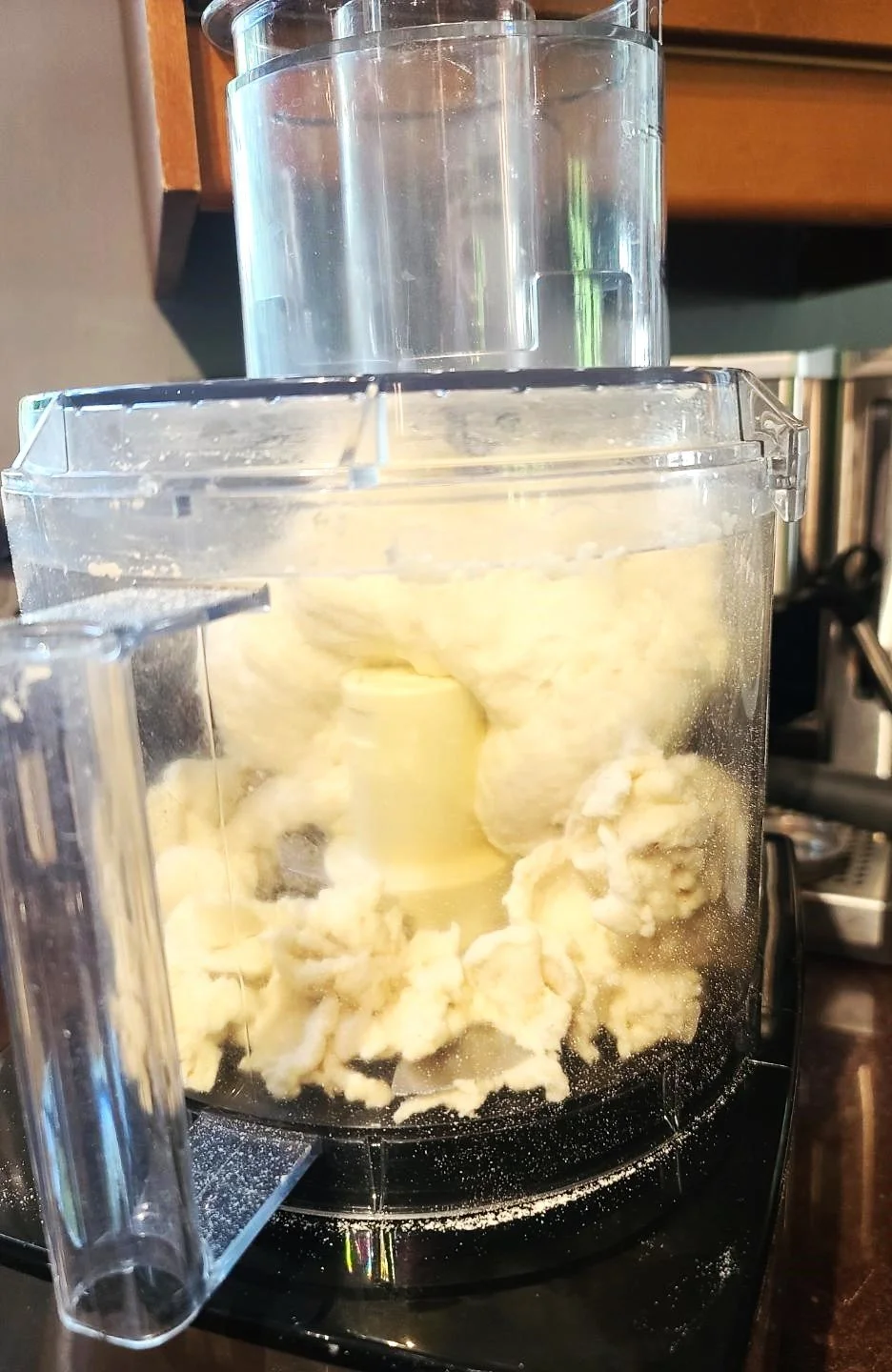
Mix the Dough- In a food processor fitted with the knife blade (not the dough blade), combine all dry ingredients: 00 flour, all-purpose flour, semolina, and salt. Pulse a few times to incorporate. Weighing is a preferred method, I have been doing this for so long I do it by eye.
Add Wet Ingredients- With the machine running, slowly stream in about ⅔ of the yeast mixture. Watch the dough closely—if it’s too dry or not coming together, add more of the mixture as needed. This process should take no more than one minute.
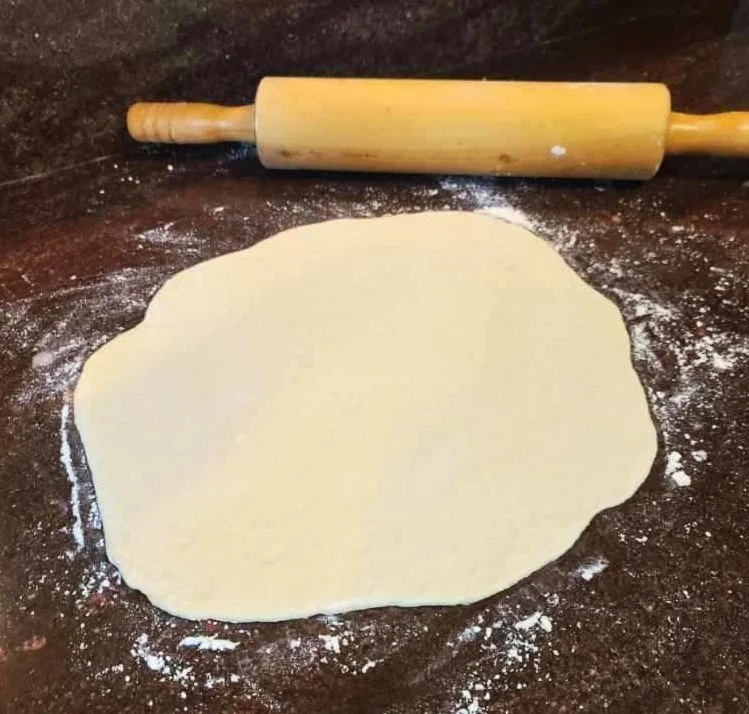
Form the Dough- The dough may look a bit lumpy—don’t worry. Carefully remove it from the processor (remember: sharp knife blade inside!), and knead it a few times by hand on a floured surface until it forms a soft ball.
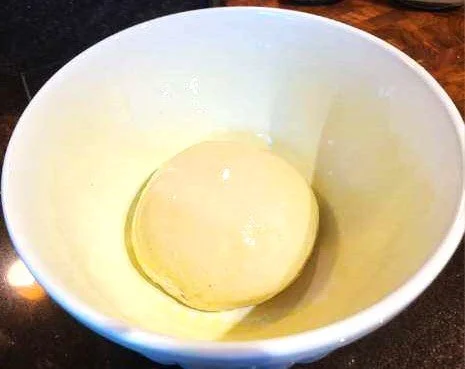
Refrigerate the Dough- Lightly grease a large bowl with olive oil. Place the dough ball inside and gently coat the top with a bit more olive oil. Cover tightly with plastic wrap and refrigerate for 72 hours. Tip: After 24 hours, check the inside of the wrap for moisture and blot dry if needed.
Prepare for Baking- On the day you're baking (e.g., Friday pizza night), remove the dough from the refrigerator in the morning and let it sit at room temperature until you're ready to make pizzas that evening.
Baking - Pizza will go in oven at the highest temperature on your oven, I bake until the crust turns slightly charred. That will differ depending on the toppings, and thickness of the crust, along with your preference is. Bake until golden, bubbly, and irresistible. Enjoy every bite!

Easy No-Cook Tomato Sauce
Fresh, Fast & Full of Summer Flavor
Perfect for pizza, flatbreads, – this sauce comes together in minutes and brings out the best in ripe summer tomatoes.
Ingredients
6 very ripe tomatoes
2 small garlic cloves
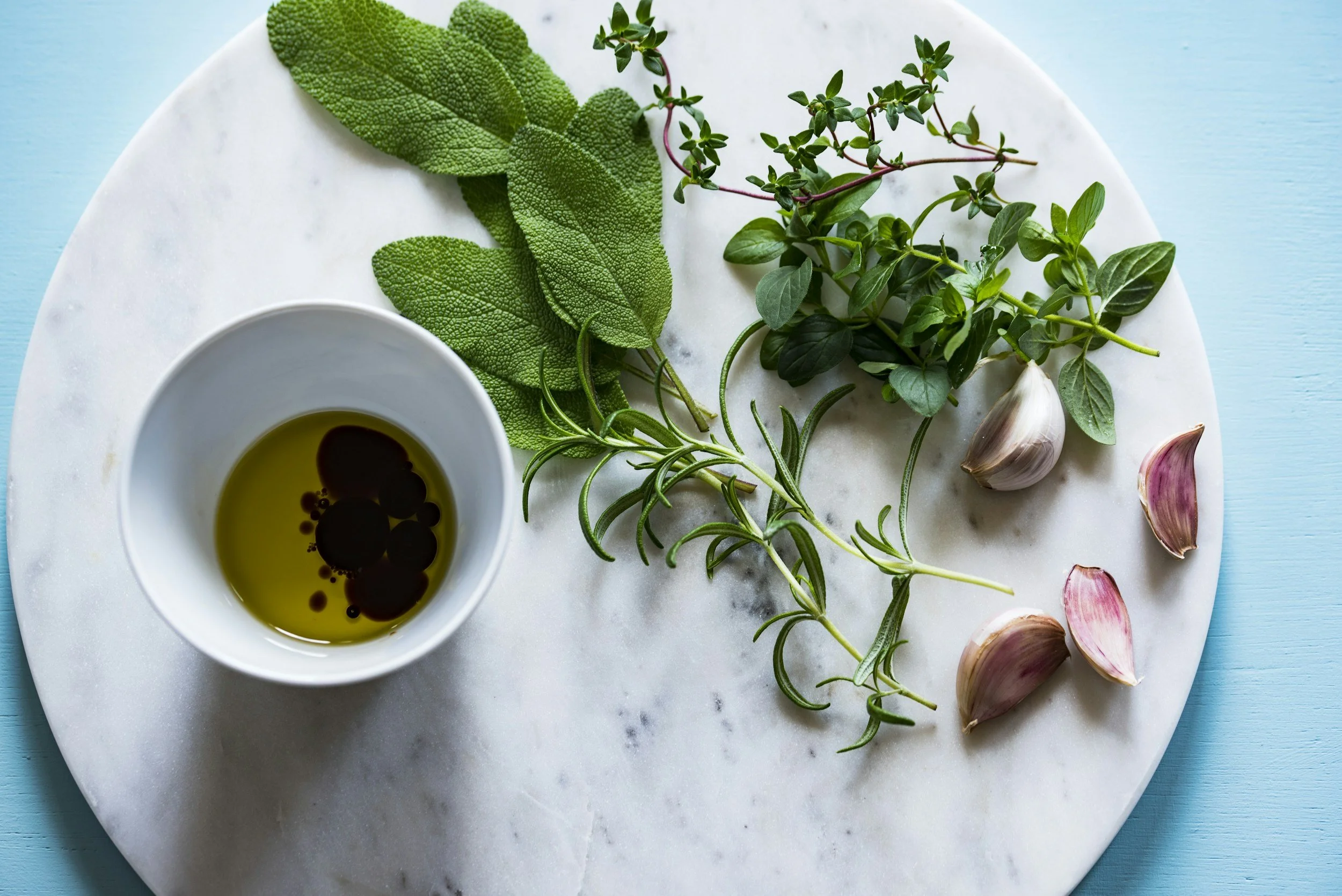
Fresh or dried herbs, such as rosemary, thyme, or basil
A pinch of salt
Instructions
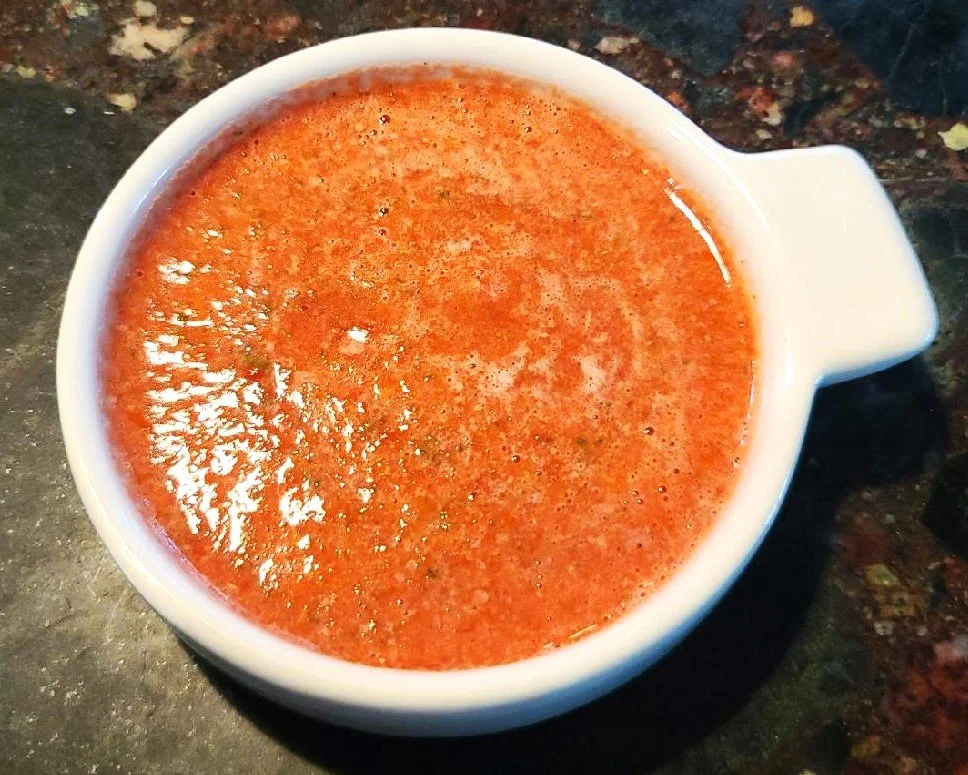
Roughly chop the tomatoes and garlic.
Add all ingredients to a mini blender or food processor.
Pulse just a few times until blended but still slightly chunky—do not overmix.
Spoon a thin layer onto your crust or bread base, spreading evenly with the back of a spoon.
Tips
For best flavor, use locally grown, vine-ripened tomatoes at peak freshness.
This sauce is best used immediately to preserve its bright, raw tomato flavor.
Optional: Add a splash of olive oil or a pinch of crushed red pepper for added depth.
Topping Suggestions
Less is more when it comes to this style of pizza. Overloading the crust can weigh it down and prevent it from baking properly, especially when using a thin, artisan dough like the 72-hour fermentation crust.
While the topping possibilities are endless, here’s one of my personal favorites—simple, flavorful, and well-balanced:
How to Top:
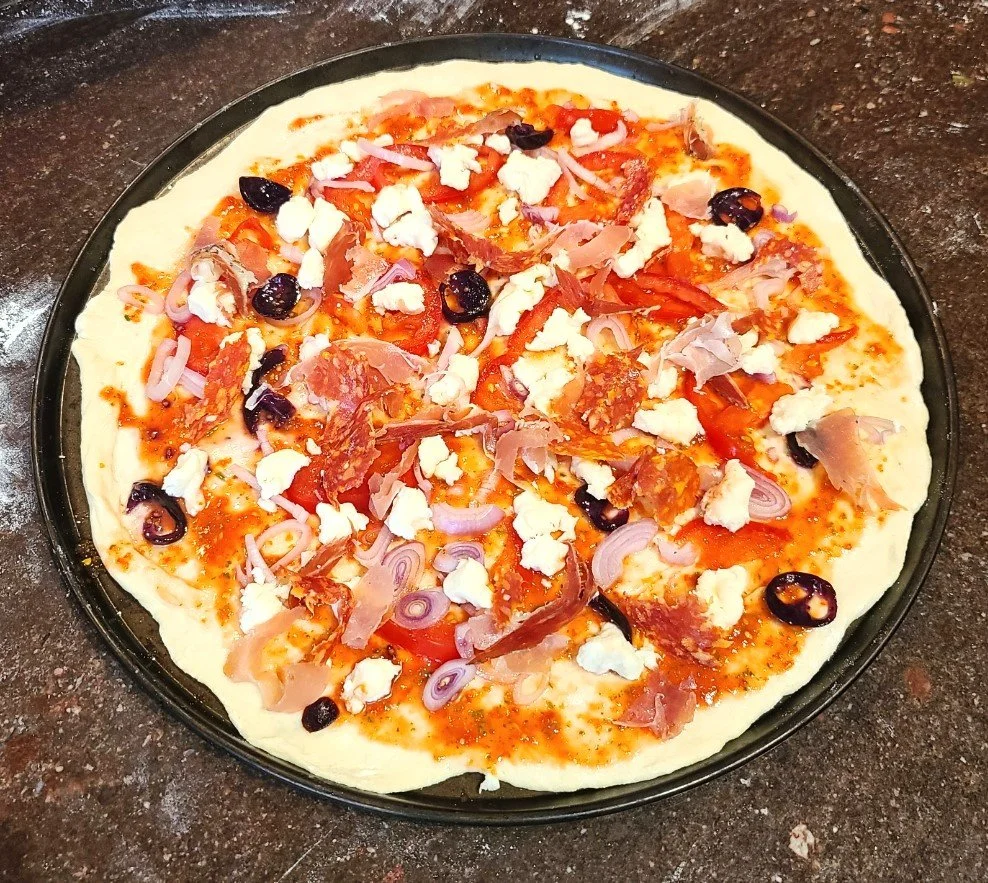
Spread a thin layer of the fresh no-cook tomato sauce using the back of a spoon.
Add thinly sliced fresh tomatoes and very thinly sliced onion or shallot.
Sprinkle with shredded fresh mozzarella and dot with a few dollops of ricotta cheese.
Finish with torn pieces of prosciutto and/or thinly sliced hard salami.
Bake until golden, bubbly, and irresistible. Enjoy every bite!
Orange Basil Finishing Oil - Bright, Citrusy & Herbaceous
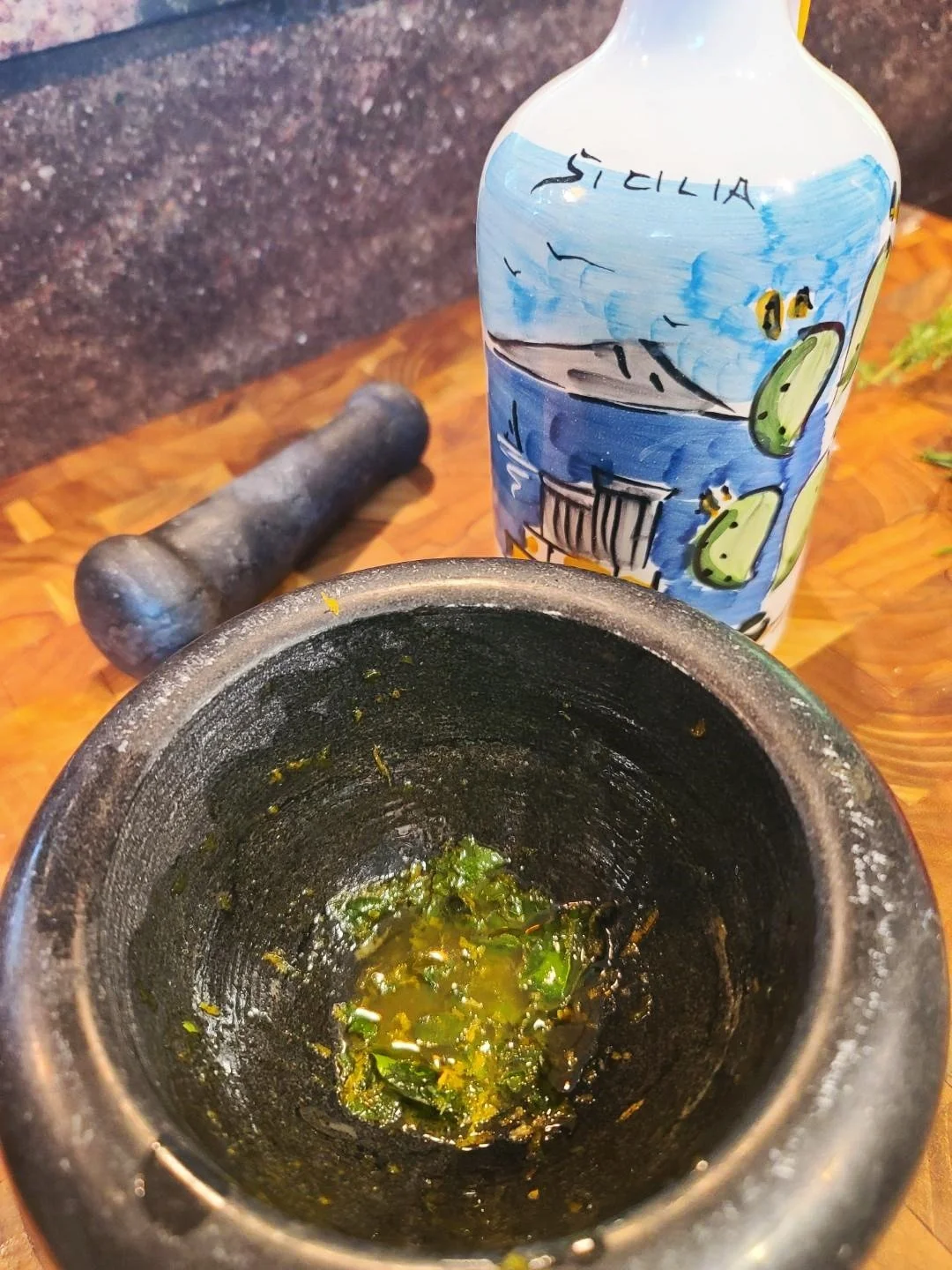
I’ve been making this flavorful oil for years, but after a recent trip to Sicily, I’ve fallen even more in love with using high-quality Sicilian olive oils. This little finishing touch adds a citrusy punch and works especially well on simple pizzas—like my favorite with prosciutto and mozzarella.
I like to brush it all over the pizza just before serving, but it’s also wonderful used just on the crust.
Ingredients
Zest of ½ an organic orange
4 to 6 fresh basil leaves (use more if they’re small)
A pinch of salt
2 tablespoons extra virgin olive oil (preferably Sicilian)
Instructions
Add the orange zest, basil leaves, and salt to a mortar and pestle.
Roughly chop and crush the ingredients to release their oils and aromas.
Stir in the olive oil and let the mixture sit for a few minutes to infuse.